
Ray-Tracing LASIK with Wavelight Plus InnovEyes
A More Personalized Approach to Laser Vision Correction
Laser vision correction has evolved from correcting only the basic spectacle prescription to increasingly detailed analysis of the individual optical characteristics of the eye.
At Drishti Eye Hospital, Dehradun, advanced refractive technology brings together Wavelight Plus, INNOVEYES Sightmap and ray-tracing-based treatment planning to create a highly personalized approach to LASIK for appropriately selected patients.
Instead of looking at the cornea alone, this technology considers multiple components of the eye’s optical system while developing a customized treatment plan. The aim is to make laser vision correction more individualized by using detailed measurements and optical modelling before treatment.
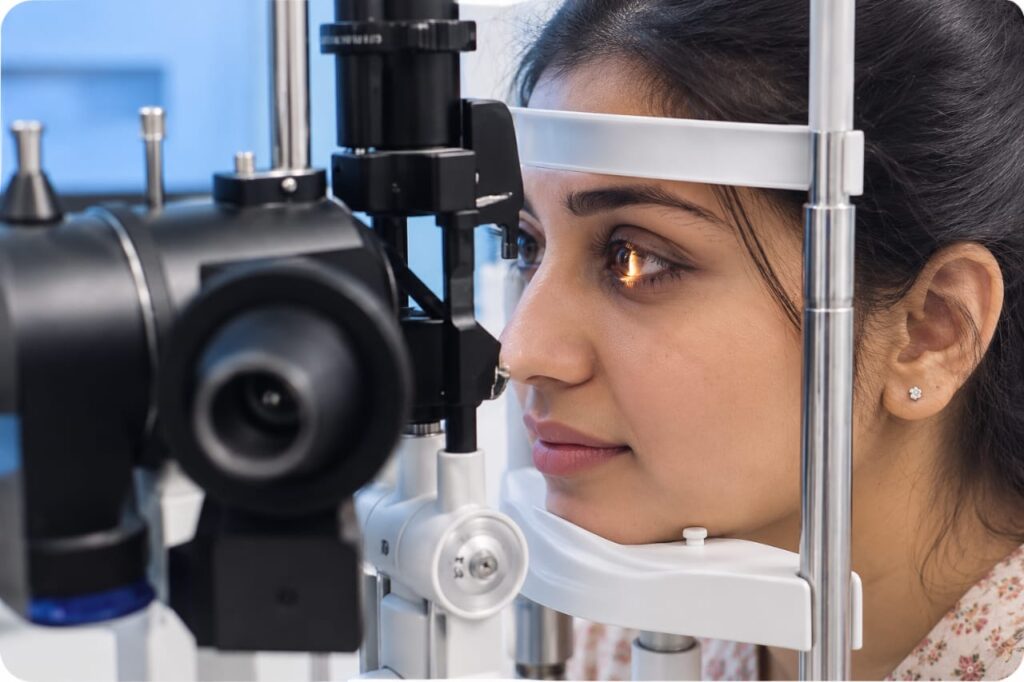
What is Ray-Tracing LASIK?
Ray tracing is an optical modelling technique used to simulate how individual light rays travel through the eye.
In conventional refractive planning, measurements such as refraction, corneal shape and other optical information are used to determine the treatment profile. Ray-tracing technology takes a more comprehensive approach by modelling the patient’s individual optical system.
With the Wavelight Plus platform, the INNOVEYES Sightmap diagnostic system combines information from ocular wavefront measurements, biometry and corneal tomography to create a three-dimensional representation of the patient’s eye, referred to by Alcon as a Digital Eye Twin.
Alcon states that the system uses more than 100,000 data points in creating this three-dimensional model. The resulting information is used to develop a personalized treatment plan for the Wavelight laser system.
Why Personalized Laser Vision Correction Matters
Every eye is different.
Two people may have a similar spectacle prescription but can have differences in corneal shape, optical characteristics, anterior chamber dimensions and other anatomical factors.
This is why modern refractive surgery increasingly focuses on understanding the individual eye rather than applying the same treatment strategy to every patient.
Wavelight Plus with INNOVEYES Sightmap is designed around this principle.
The system brings together multiple measurements to help create a treatment profile based on the individual characteristics of the eye.
The process involves:
1. Detailed measurement
2. 3D eye modelling
3. Ray-tracing analysis
4. Personalized treatment planning
5. Laser vision correction
INNOVEYES Sightmap: Building a Detailed Picture of Your Eye
INNOVEYES Sightmap is the diagnostic component associated with the Wavelight Plus platform.
It combines different forms of ocular measurement, including:
- Ocular wavefront information
- Biometric measurements
- Corneal tomography
- Detailed optical and anatomical data
These measurements are used to construct a three-dimensional model of the patient’s eye.
Rather than relying on a single measurement, the system integrates multiple data points to understand the optical characteristics of the individual eye.
According to Alcon, the platform uses more than 100,000 data points to build the Digital Eye Twin used in personalized treatment planning.
What Does Ray Tracing Add to LASIK Planning?
The optical system of the eye is more complex than the cornea alone.
Light passes through different structures before reaching the retina. Ray-tracing technology uses a mathematical model of the eye to simulate this optical pathway and evaluate how changes in the corneal surface may influence the final optical result.
With Wavelight Plus, ray tracing is used to simulate and optimize a customized refractive treatment plan before the laser treatment is performed.
This provides the surgeon with a technology-driven method of assessing the planned correction rather than depending solely on a conventional treatment calculation.
The approach is particularly relevant to the continuing development of personalized refractive surgery.
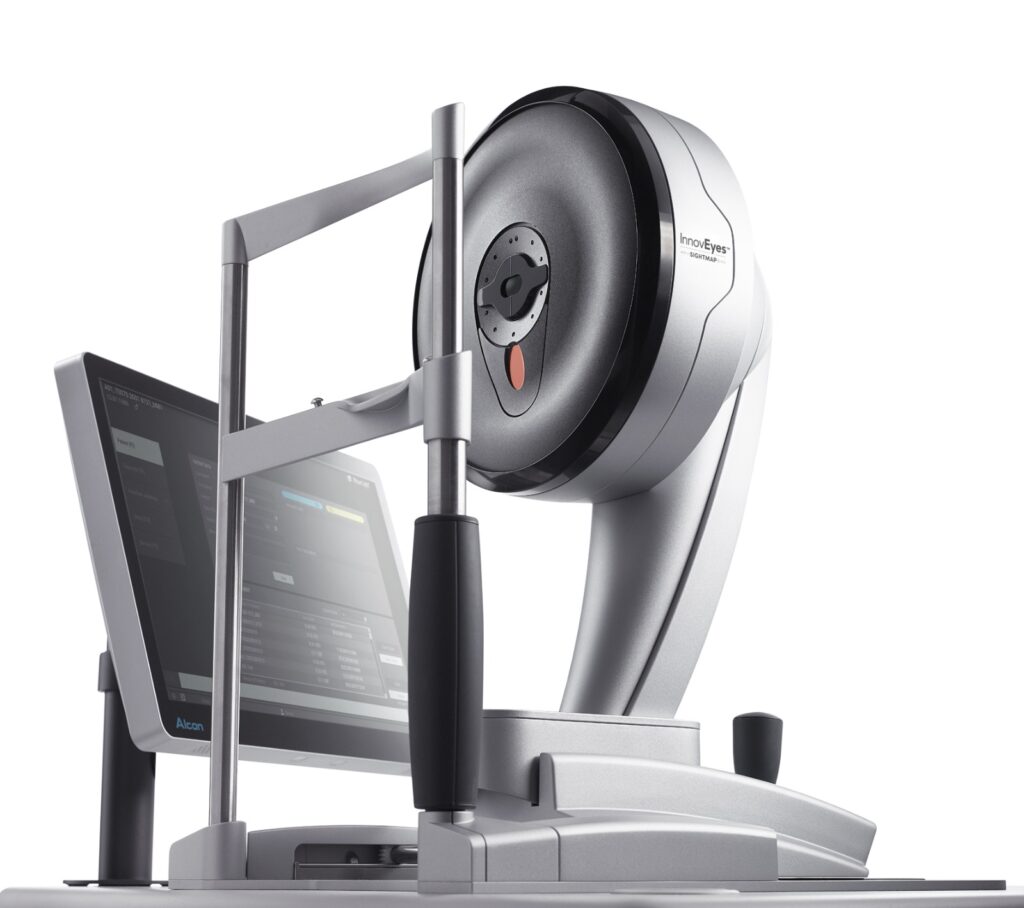
Wavelight Plus: Advanced Laser Treatment Technology
Wavelight Plus is Alcon’s next-generation personalized refractive treatment platform. It combines the diagnostic information generated by INNOVEYES Sightmap with Wavelight laser technology.
The Wavelight femtosecond and excimer laser systems are used for refractive procedures including LASIK and PRK for appropriate patients with certain types of myopia, hyperopia and astigmatism.
At Drishti, this technology complements our established focus on advanced laser vision correction and refractive diagnostics.
Our existing refractive infrastructure includes the WAVELIGHT EX500 excimer laser, which is listed among Drishti’s facilities and equipment.
A Personalized Treatment Starts Before the Laser
One of the important advantages of this technology is that personalization begins during the diagnostic stage.
Before deciding on LASIK, a patient undergoes a detailed refractive evaluation. The surgeon assesses the prescription, corneal characteristics, ocular anatomy and overall eye health to determine whether laser vision correction is appropriate.
The additional data generated by advanced diagnostics can then be incorporated into treatment planning.
This means that the technology is not simply about the laser itself. It is about creating a more comprehensive understanding of the eye before treatment.
Who May Be Considered for Ray-Tracing LASIK?
Ray-tracing-guided LASIK may be considered for adults who are seeking laser vision correction and meet the clinical requirements for refractive surgery.
Myopia or short-sightedness
Hyperopia or long-sightedness
Astigmatism
A desire to reduce dependence on spectacles or contact lenses
However, having a refractive error does not automatically make someone suitable for LASIK.
A detailed examination is necessary to evaluate corneal thickness and shape, refractive stability, ocular health, tear-film status and other factors relevant to surgical suitability.
The final treatment decision is always made by the refractive surgeon after a complete evaluation.
Your Journey With Us
1
Comprehensive Eye Examination
Your vision, spectacle prescription and overall ocular health are assessed.
2
Advanced Diagnostic Measurements
Detailed measurements of the eye are obtained using appropriate diagnostic technologies.
3
INNOVEYES Sightmap Assessment
Where indicated, the diagnostic system collects the measurements required for customized treatment planning.
4
Digital Eye Modelling
The available data are used to create a detailed three-dimensional model of the eye for treatment planning.
5
Ray-Tracing Treatment Analysis
The optical pathway is modelled to help develop a customized laser treatment profile.
6
Surgeon Assessment
The refractive surgeon reviews the diagnostic information and determines whether the proposed procedure is appropriate for the individual patient.
7
Personalized Laser Treatment
If the patient is found suitable, the customized treatment plan is used with the appropriate Wavelight laser platform.

Potential Advantages of a Ray-Tracing Approach
The key advantage of ray-tracing technology is its ability to incorporate a broader set of optical information into refractive treatment planning.
This can provide:
Individualized Treatment Planning
Treatment planning is based on detailed measurements of the patient’s own eye.
Comprehensive Optical Modelling
Multiple measurements are combined to model the eye’s optical system.
Advanced Diagnostic Information
Wavefront, biometric and corneal tomography data contribute to the treatment model.
Technology-Assisted Precision
The treatment plan can be simulated and optimized before laser treatment.
Data-Driven Decision Making
The surgeon has access to a detailed set of diagnostic information when assessing treatment suitability.
Ray-Tracing LASIK vs Conventional LASIK
The important difference is not simply the laser platform. It is the way treatment planning is approached.
Conventional Treatment Planning
May rely primarily on:
- Manifest refraction
- Corneal measurements
- Standard treatment algorithms
- Established nomograms
Ray-Tracing-Based Planning
Can integrate:
- Ocular wavefront information
- Biometry
- Corneal tomography
- Detailed optical modelling
- Individualized three-dimensional eye data
Is Ray-Tracing LASIK Right for Everyone?
No.
Advanced technology does not replace a comprehensive medical evaluation.
LASIK may not be appropriate for every patient. Factors such as corneal anatomy, ocular surface health, refractive stability, existing eye conditions and other clinical considerations must be evaluated.
The Wavelight Plus and INNOVEYES systems are intended for use by appropriately trained eye-care professionals, and the suitability of customized refractive treatment must be determined by the treating surgeon.
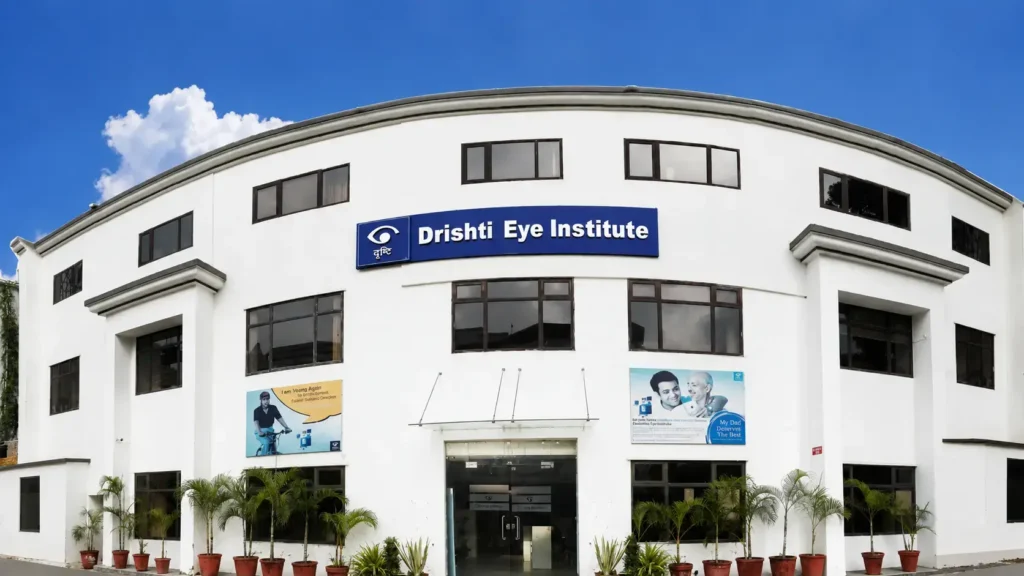
Why Choose Drishti for Advanced Laser Vision Correction?
Drishti has an established focus on refractive surgery and advanced ophthalmic technology. The hospital’s current website highlights its LASIK services, advanced pre-LASIK evaluation and Wavelight EX500 excimer laser infrastructure.
Our approach combines:
- Comprehensive refractive evaluation
- Advanced diagnostic technology
- Customized treatment planning
- Experienced refractive care
- Modern laser vision correction options
- Individual assessment rather than one-size-fits-all treatment
The objective is simple: to choose the right treatment for the right eye based on detailed clinical evaluation.


Explore Advanced LASIK at Drishti Eye Hospital, Dehradun
If you are considering freedom from spectacles or contact lenses, advanced diagnostic technology can help your surgeon understand your eyes in greater detail before choosing a refractive procedure.
Ask our refractive surgery team about Wavelight Plus, INNOVEYES Sightmap and ray-tracing-guided laser vision correction at Drishti Eye Hospital, Dehradun.
Book a Refractive Surgery Evaluation
Wavelight, Wavelight Plus, INNOVEYES and Sightmap are trademarks or registered trademarks of Alcon or its affiliates. Treatment suitability, procedure selection and expected outcomes vary between patients and must be determined following a comprehensive examination by a qualified refractive surgeon.
Frequently Asked Questions About Ray-Tracing LASIK
Frequently Asked Questions
Clear answers about Ray-Tracing LASIK, Wavelight Plus and personalized laser vision correction.
Ray-Tracing LASIK is an advanced approach to laser vision correction that uses optical ray-tracing and detailed measurements of the individual eye to create a personalized treatment plan. With Wavelight Plus and INNOVEYES Sightmap, information from ocular wavefront measurements, biometry and corneal tomography can be combined to create a detailed three-dimensional model of the eye for treatment planning.
Wavelight Plus is Alcon's personalized refractive treatment platform that combines Wavelight laser technology with the INNOVEYES Sightmap diagnostic system and ray-tracing-based treatment planning. It is designed to incorporate detailed information about an individual's eye into the laser treatment plan.
INNOVEYES Sightmap is an advanced diagnostic system used as part of the Wavelight Plus workflow. It combines different measurements of the eye, including wavefront, biometric and corneal tomography information, to help create a detailed three-dimensional representation of the patient's eye for personalized refractive treatment planning.
The major difference is the approach to treatment planning. Conventional LASIK planning may primarily use the patient's prescription and corneal measurements, whereas ray-tracing-based planning can incorporate a broader range of optical and anatomical measurements to model the individual eye and develop a more personalized treatment profile.
Ray-tracing technology offers a more comprehensive approach to personalized treatment planning, but it is not automatically the best option for every patient. The appropriate procedure depends on factors such as the patient's prescription, corneal anatomy, ocular health, refractive stability and other examination findings. The refractive surgeon determines which treatment is appropriate after a complete evaluation.
Potential candidates are generally adults seeking laser vision correction who have a stable refractive prescription and meet the clinical requirements for laser eye surgery. A detailed assessment of the cornea, ocular surface, eye health and other anatomical factors is necessary before determining suitability.
Laser vision correction can be used to treat certain degrees of myopia, hyperopia and astigmatism in appropriately selected patients. Whether Ray-Tracing LASIK is suitable depends on the individual's prescription and detailed eye examination.
No laser vision correction procedure can guarantee a particular visual result for every patient. Outcomes vary depending on individual anatomy, prescription, pre-existing eye conditions, healing response and other factors. The purpose of advanced treatment planning is to provide a highly individualized approach based on detailed measurements of the eye.
The Digital Eye Twin is a three-dimensional representation of the patient's eye created from multiple diagnostic measurements within the Wavelight Plus planning workflow. Alcon states that INNOVEYES Sightmap uses more than 100,000 data points to build this detailed model, which is then used in personalized treatment planning.
Laser vision correction has an established clinical history, but like any surgical procedure, it has potential risks and limitations. Possible effects can include dry eye symptoms, glare, halos, starbursts, fluctuations in vision and the possibility of needing glasses or additional treatment. A comprehensive pre-operative assessment is essential to determine whether the procedure is appropriate for an individual patient.
The evaluation may include a comprehensive eye examination, refraction, corneal tomography, assessment of the ocular surface and other measurements required to determine whether laser vision correction is appropriate. Additional diagnostic measurements may be obtained through the INNOVEYES Sightmap system when indicated.
Ray tracing uses an optical model to simulate the path of light through the eye. This allows the treatment planning process to incorporate information about the individual optical characteristics of the eye rather than relying only on the spectacle prescription.
Some patients with higher refractive errors may be candidates for laser vision correction, while others may be better suited to alternatives such as phakic intraocular lenses. Suitability depends on the exact prescription, corneal measurements, ocular health and other clinical factors. A refractive surgeon should assess each case individually.
Yes, laser vision correction can correct certain forms and degrees of astigmatism in appropriately selected patients. The treatment plan is customized according to the patient's refractive and corneal measurements.
Patients interested in advanced laser vision correction can consult the refractive surgery team at Drishti Eye Hospital, Dehradun. A comprehensive examination can determine whether Wavelight Plus and ray-tracing-based treatment planning is appropriate for the individual patient.